
New York Property Tax Records
New York property tax records are kept by local governments across all 62 counties. You can search them online or in person at the Real Property Tax Services office in each county. The state does not collect property taxes, but it sets the rules through the Real Property Tax Law. Most counties use the Image Mate Online system or a GIS portal to let you look up any parcel by name, address, or tax map number. You can find assessed values, tax bills, sales history, and exemption details. For certified copies or more detailed records, contact the county Real Property office or the local town assessor.
New York Property Tax Records Overview
Where to Find New York Property Tax Records
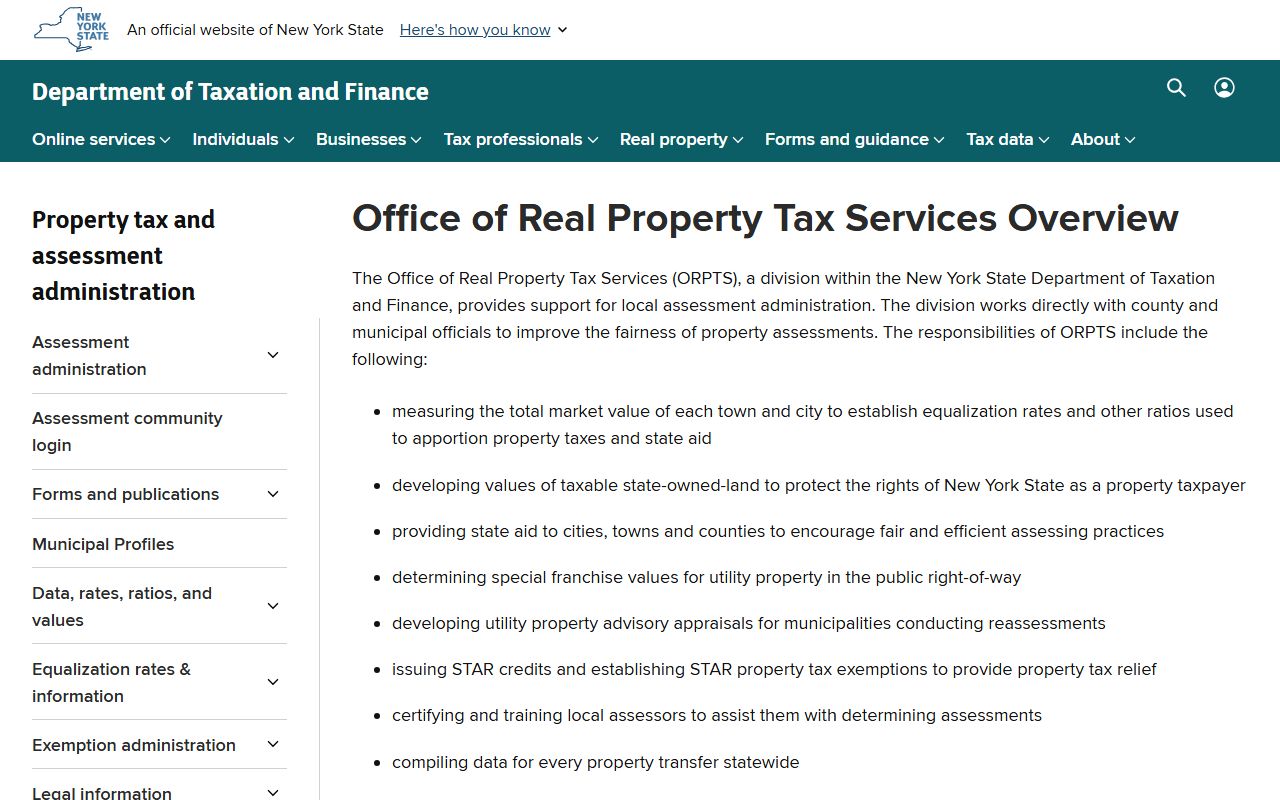
Property tax records in New York are kept at the local level. Each of the 62 counties has a Real Property Tax Services office that keeps tax maps, assessment rolls, and sales data. The Office of Real Property Tax Services (ORPTS) provides state oversight but does not hold the records themselves. Towns, cities, and villages each have their own assessor who sets the value on every parcel in that area. The county office then uses those values to build the full assessment roll.
Most counties now offer free online access to property tax records. The most common tool is Image Mate Online, run by SDG. You can search by owner name, street address, or tax map number. The system shows assessed values, property details, and in many cases tax maps and photos. Some counties use other platforms like PROS or custom GIS portals. New York City is different. The five boroughs use the ACRIS system for deeds and the Department of Finance for assessments and tax bills.
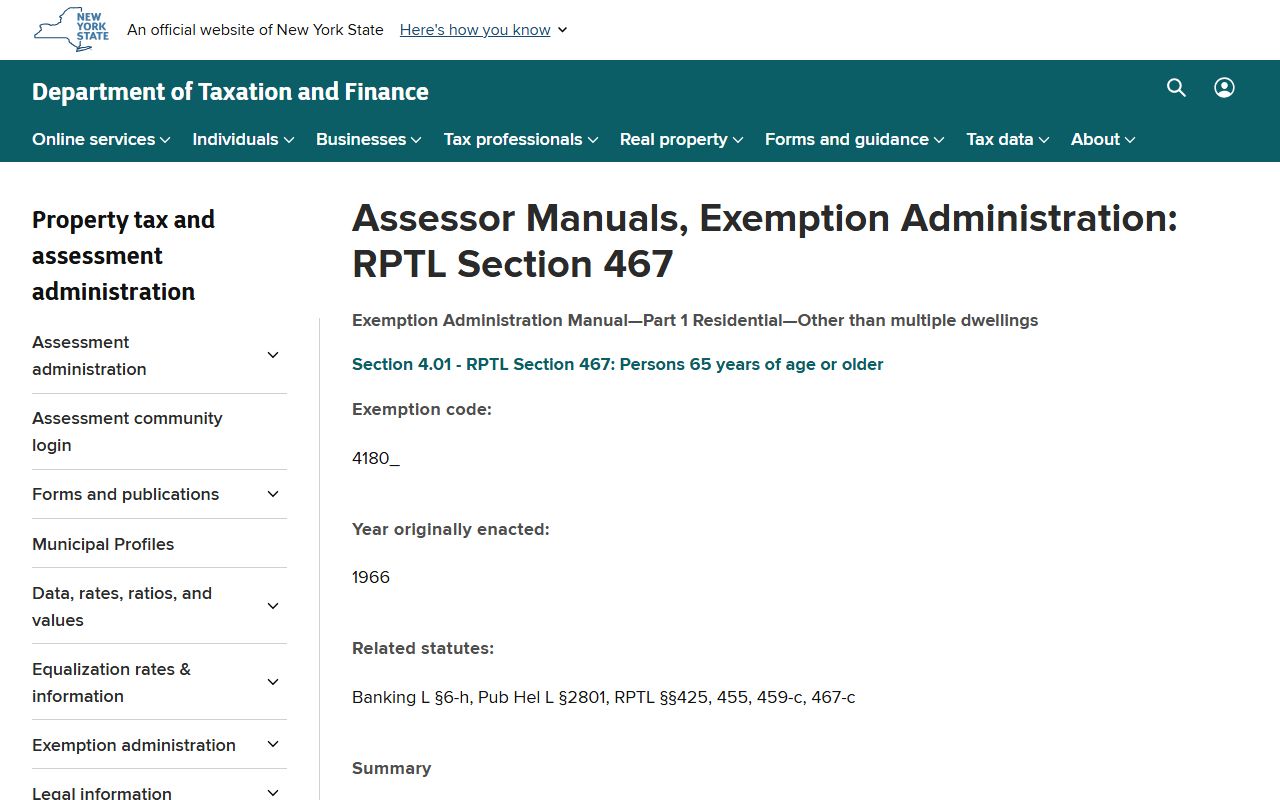
For a statewide view, the Municipal Data Portal (MuniPro) lets you look up contact info for any town, city, or village assessor. It also links to SalesWeb, which has ten years of property sales data for the whole state outside of NYC. The portal is free and run by the NYS Department of Taxation and Finance.
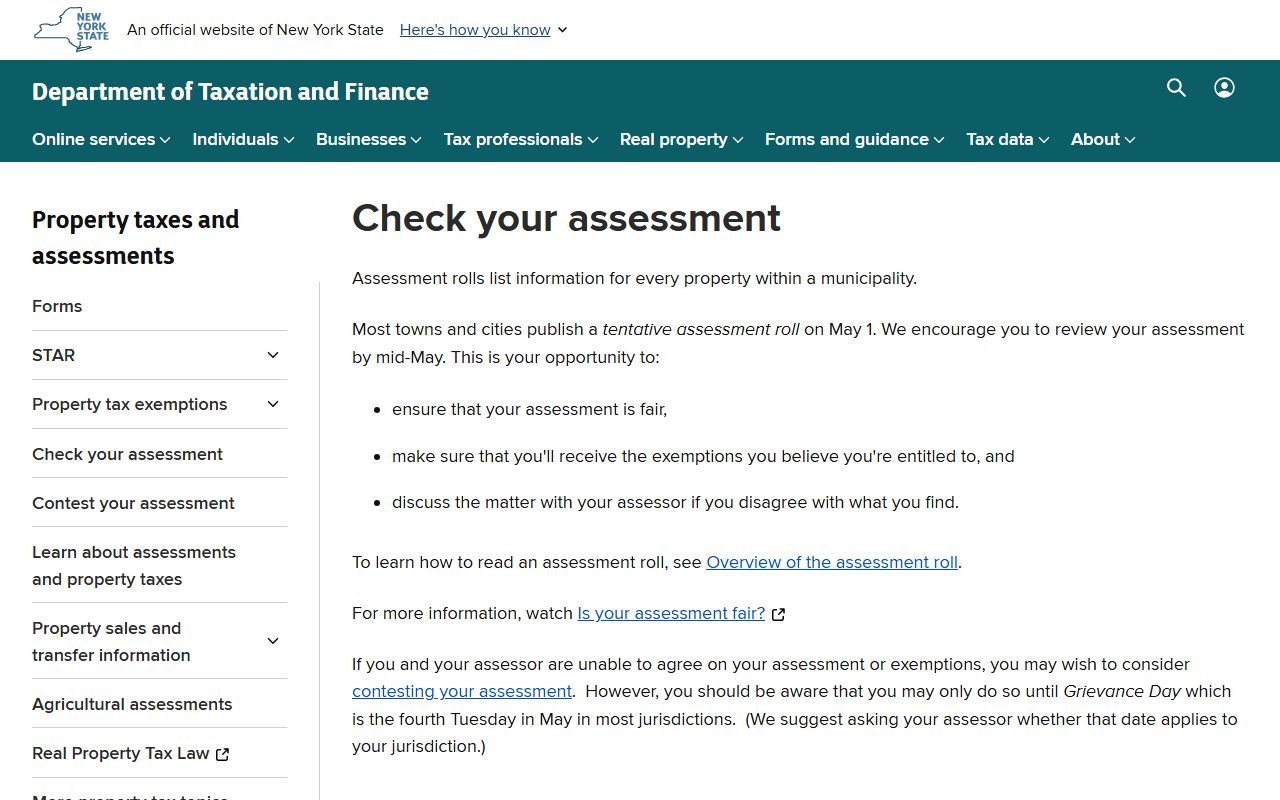
The Check Your Assessment page on the state tax site walks you through how to find and review your assessment. It links to local rolls and explains how to contest a value if you think it is too high.
Note: Property tax records are public in New York. Anyone can look up the assessed value, tax amount, and owner of any parcel in the state.
How New York Property Tax Assessments Work
Every property in New York gets assessed each year. The local assessor determines the market value and sets the assessed value based on that. Under RPTL Section 305, all properties within a town or city must be taxed at a uniform rate. The assessment is supposed to reflect what the property would sell for on the open market. Some places assess at full value. Others use a fraction of value, and the state calculates an equalization rate to even things out across jurisdictions.
The tentative assessment roll comes out on May 1 in most places. That is the first chance you get to see what the assessor thinks your property is worth for the coming tax year. If the number looks wrong, you can talk to the assessor before Grievance Day. Grievance Day is the fourth Tuesday in May in most towns. You file an RP-524 form with the Board of Assessment Review, and they hear your case. If you still disagree after that, you can take it to Small Claims Assessment Review or file a court proceeding under RPTL Article 7.
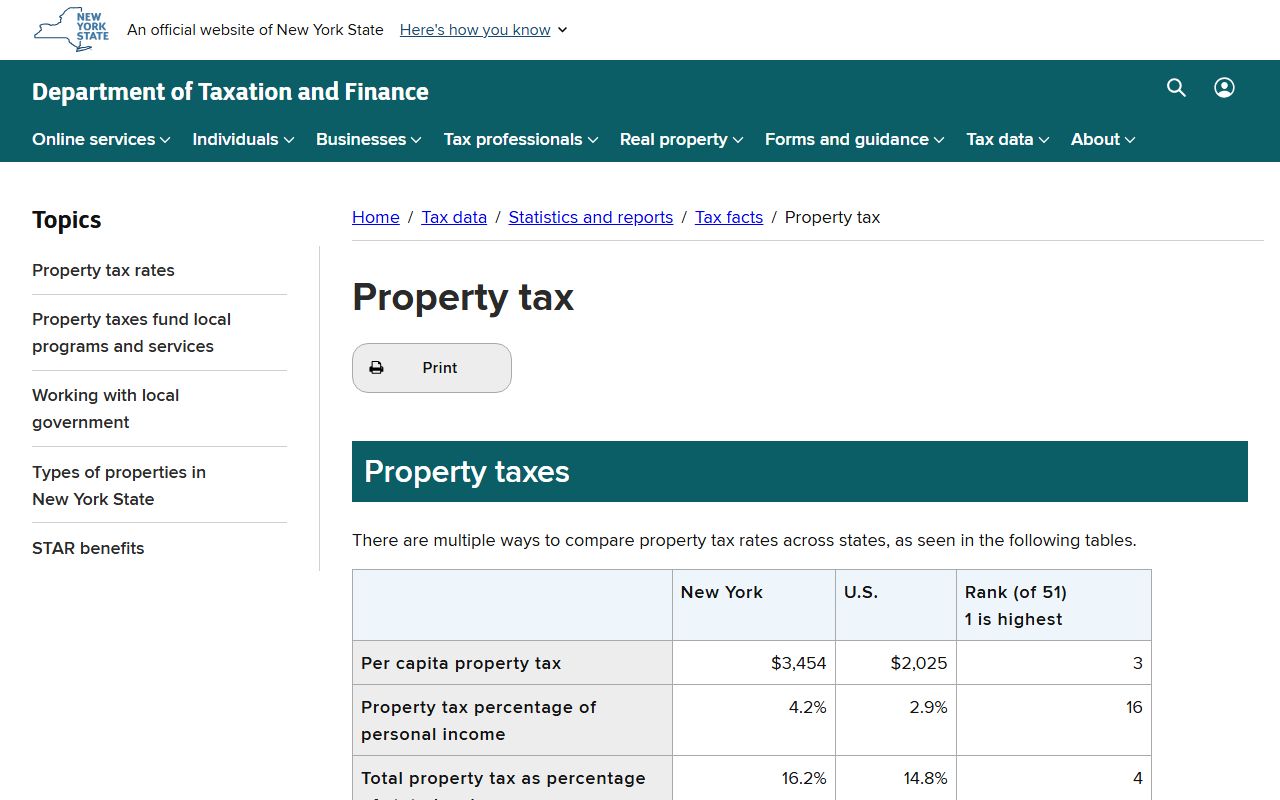
The NYS Tax Data Portal publishes equalization rates, levy data, and assessment statistics for every municipality. Property taxes make up about 43% of the average town's revenue in New York. The total statewide levy reached $74.54 billion in 2025, according to the Property Tax Facts page.
Property Tax Exemptions in New York
New York offers several property tax exemptions that show up in the assessment records. The most well known is the STAR program. STAR stands for School Tax Relief. Basic STAR is for owner-occupied homes regardless of age or income. Enhanced STAR is for seniors 65 and older with income below the state limit. The exemption reduces the school tax portion of the bill.
Veterans can get a partial property tax exemption under RPTL Sections 458, 458-a, and 458-b. The exact amount depends on the type of service, whether there is a combat or disability connection, and what percentage the local government has adopted. Cold War veterans have their own separate program. All veteran exemptions must be applied for and are not automatic.
Senior citizens age 65 and over may qualify for an income-based exemption under RPTL Section 467. The exemption uses a sliding scale. The lower your income, the bigger the exemption. The income limits and percentage amounts vary by municipality because each local government can set its own thresholds. You must own the property for at least 12 months before applying, with a few exceptions for surviving spouses and eminent domain situations.
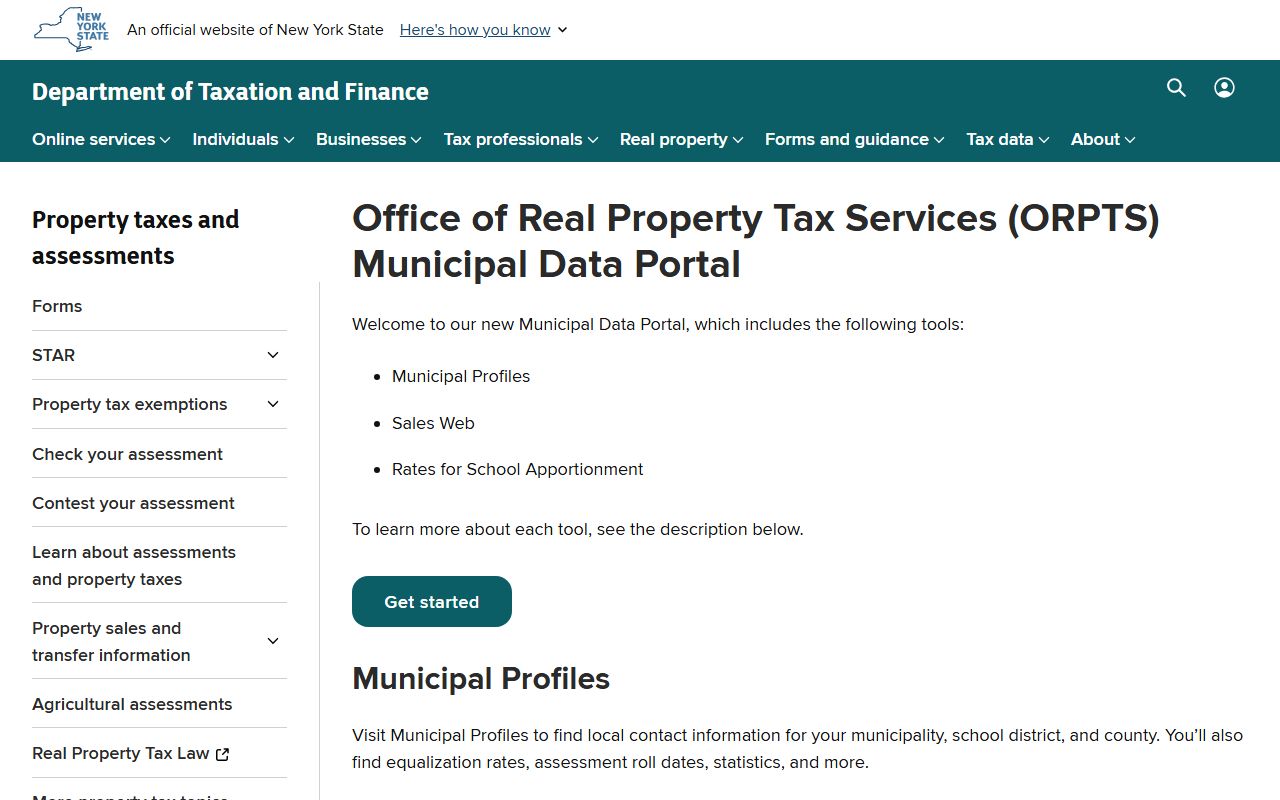
Other exemptions include programs for agricultural land, solar and wind energy systems under RPTL Section 487, historic properties, and nonprofit organizations. The Local Laws and Resolutions page shows which municipalities have adopted specific exemption programs.
Search New York Property Tax Records Online
The fastest way to search property tax records in New York is online. Each county has its own search tool. Most use Image Mate Online, which is free and open to the public. A few counties use PROS, MapGeo, or a custom portal. New York City uses a completely separate system through the Department of Finance.
To run a search, you usually need one of these:
- The owner's name (last name first in most systems)
- The property address (just the number and street, skip the suffix)
- The tax map number or SBL (Section-Block-Lot)
- The parcel ID or account number
The MuniPro portal can help you find the right county or town office if you are not sure where to start. Pick the county from the dropdown, then choose the municipality. It shows you the assessor's contact info and links to local search tools. SalesWeb is also available through MuniPro for looking up recent property sales across the state. Data goes back ten years and gets updated weekly. It covers every county except NYC.
The NYS GIS Clearinghouse offers statewide parcel data that you can download or view as a web service. It is useful for bulk research or GIS work, but for a quick single-parcel lookup, the county tools are faster.
Property Transfer Reports and Sales Data
Every time a property changes hands in New York, a Form RP-5217 Real Property Transfer Report must be filed with the county. This form captures the sale price, property type, and whether the sale was arm's length. The data feeds into the statewide SalesWeb database. County clerks collect the form at recording, and the information becomes part of the public record.
You can search sales data through ORPTS or the MuniPro SalesWeb tool. Results can be downloaded as Excel files. The system covers all counties except NYC, which uses ACRIS for property transfer records. Sales data is valuable for checking comparable sales during an assessment challenge or just for researching market trends in a neighborhood.
New York law now allows electronic filing of the RP-5217 and the related TP-584 transfer tax form. The RP-5217 is a public document. The TP-584 stays confidential. Both get filed at the same time, and the county clerk collects the same fees as with paper filings. Westchester County and NYC have their own comparable systems for transfers.
Note: SalesWeb updates every week, usually Monday and Tuesday nights. The system may be down during those hours.
Important Property Tax Dates in New York
Most towns and cities in New York follow the same basic calendar for property tax records. The key dates drive when you can see new assessments, file challenges, and pay taxes. There are exceptions. NYC, Yonkers, and a few other cities use different schedules. Always check with your local assessor for exact dates.
The general calendar for most New York municipalities looks like this:
- March 1: Taxable status date and exemption application deadline
- May 1: Tentative assessment roll published
- Fourth Tuesday in May: Grievance Day
- July 1: Final assessment roll filed
Town and county taxes are typically due in January or February. School taxes are due in September or October. Village taxes have their own schedule. Late payments trigger interest charges, usually 1% to 2% per month, set by the Real Property Tax Law. The county treasurer handles delinquent taxes and may schedule a tax foreclosure auction for properties that remain unpaid.
Property Tax Records and County Directors
Almost every county in New York has a Director of Real Property Tax Services. This person runs the county office that maintains tax maps, processes assessment rolls, and helps local assessors do their jobs. The County Directors page on the state website lists contact info for each county.
County directors also handle things like advisory appraisals, corrected tax bills, and enforcement of unpaid taxes. They train local assessors and boards of assessment review. They compile local-option exemption data and support the county legislature on tax levy and rate questions. If you are not sure where to start with a property tax records search, the county director's office is a good first call. They can point you to the right tool or office for your specific need.
Browse New York Property Tax Records by County
Each of New York's 62 counties has its own Real Property Tax Services office. Pick a county below to find local contact info, search tools, and property tax records for that area.
Property Tax Records in Major New York Cities
Residents of major cities look up property tax records through their county or city office. Pick a city below to find out where to search for property tax records in that area.